Distance Education(2007-2014)
By Dr. Ho in Online Education Distance Education Education technolegy Police Training
April 5, 2007
Overview
Motivation: Police academies are increasingly adopting digital technologies, yet traditional instruction and classroom management often remain unchanged. This project asks how technology-enhanced learning can support learner-centered, interactive, and sustainable police education.
Methods: The project draws on literature review, action research, questionnaire surveys, interviews, classroom observation, and design-based research across web-based courses, blended teaching, personal learning networks, one-to-one digital classrooms, and mobile/social/open learning.
Outcomes: It proposes activity-centered web course design, teacher facilitation skills for blended learning, ecological strategies for one-to-one network classroom management, and practical guidance for police academy digital instruction, online training, and academy-family collaboration. Together, these outcomes offer a systematic framework for technology-enhanced police education.
Since 2007 to 2014, The team’s research traces a coherent trajectory in technology-enhanced learning: from web-based course design and blended teaching to personal learning networks, ecological classroom management, one-to-one digital learning, and mobile/social/open learning. Central concerns include learner-centered design, effective interaction, teacher roles, and sustainable environments.
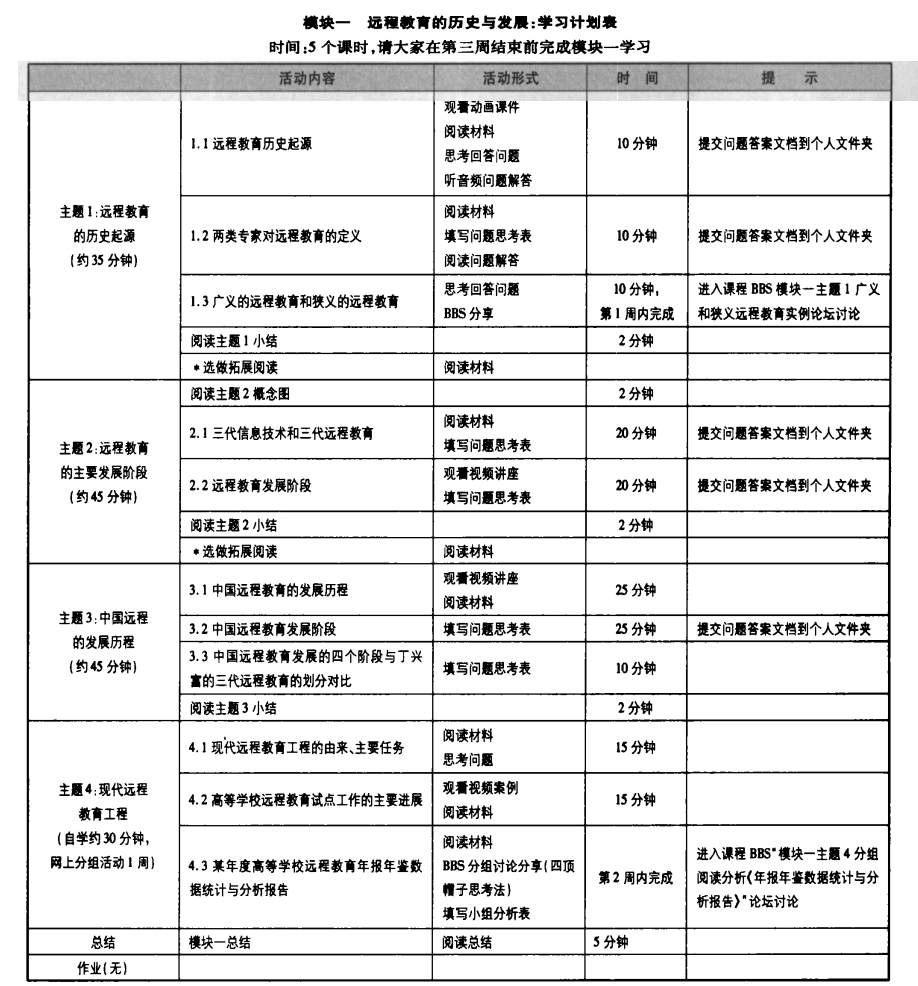
Early work focuses on online course quality and blended teaching. “Design and Study of Learning Activity for Web-based Course” (2007) argues for activity-centered rather than resource-centered web courses, using cognitive and metacognitive strategies to promote deep learning. “New Requirements of Teacher Skills in Blended Teaching” (2008) reframes blended learning as teacher-led and student-centered, requiring teachers to facilitate deep learning, interaction, process management, and environment design.
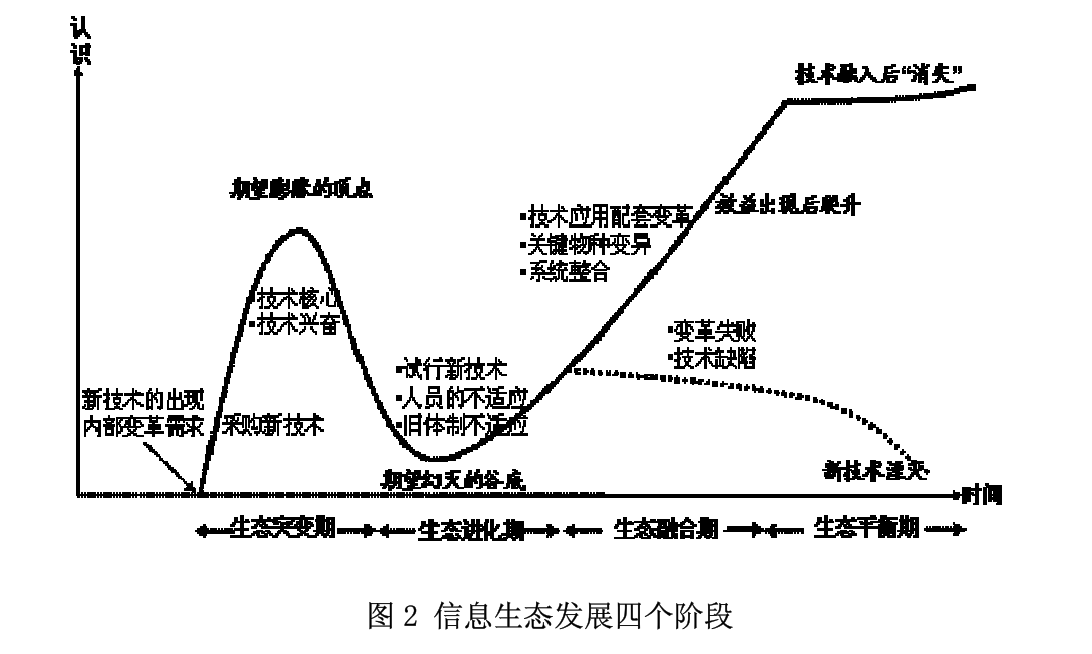
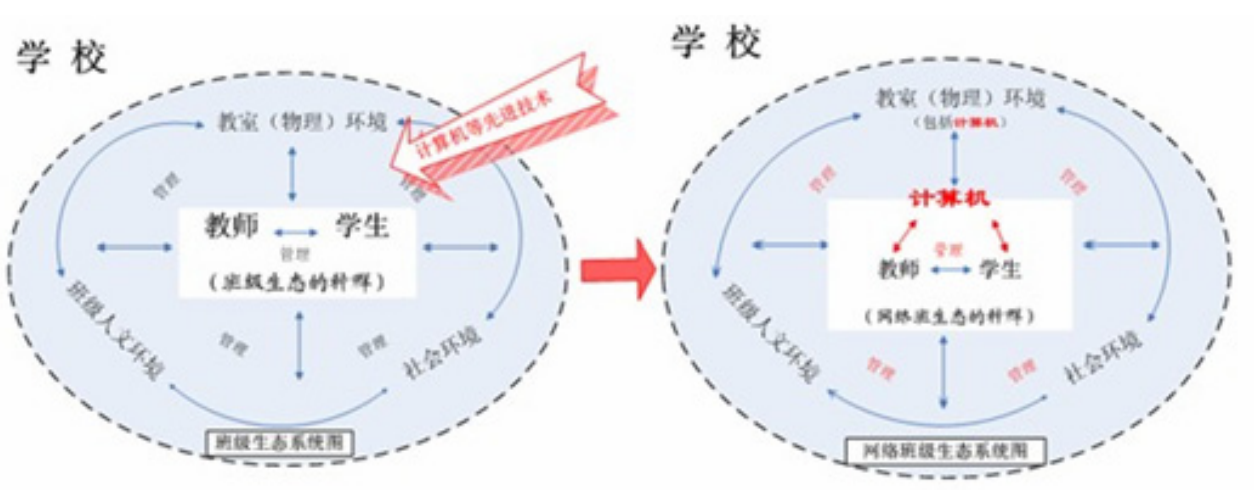
A second strand explores personal learning networks and ecological management. “Personal Learning Network Technology and Its Educational Application” (2011) examines social bookmarking, publishing, and aggregation tools for personalized, connected PLEs/PLNs, noting risks like overload and privacy. His ecological view on one-to-one network classroom management (2010) treats technology as a disruptive “species,” proposing clear responsibilities, teacher development, student participation, and harmonious physical, human, and home-school environments. “Improving Classroom Management in One-to-One Digital Learning” (2014) adds teachers as “first among equals,” democratic participation, technology competencies, and home-school collaboration via WeChat.
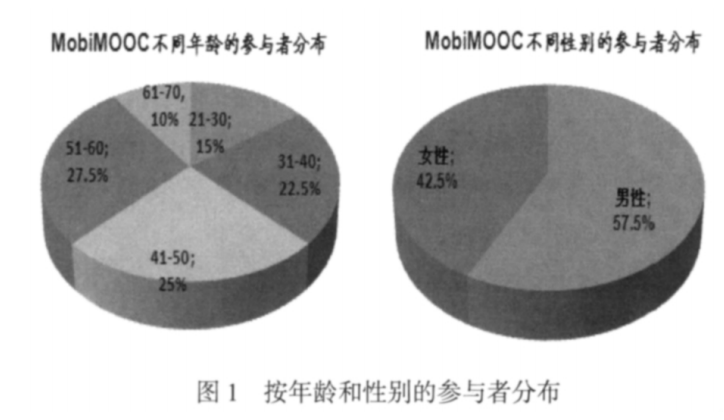
His translations broaden the international dimension: the 2012 translation on mobile phones and Facebook shows mobile social networks creating authentic EFL learning; the 2013 translation on MOOCs in mLearning examines MobiMOOC and the synergy among connectivism, mobile learning, collaboration, and open resources. Together, these works form a systematic vision of technology-enhanced, learner-centered, connected, and sustainable education.
- Examples of the main figures and tables in the article
Results
Participate in the construction project of “the National Public Security Police Network Academy”,
Related projects to “the Senior Police Academy of the Ministry of Public Security”.
加图表: .